
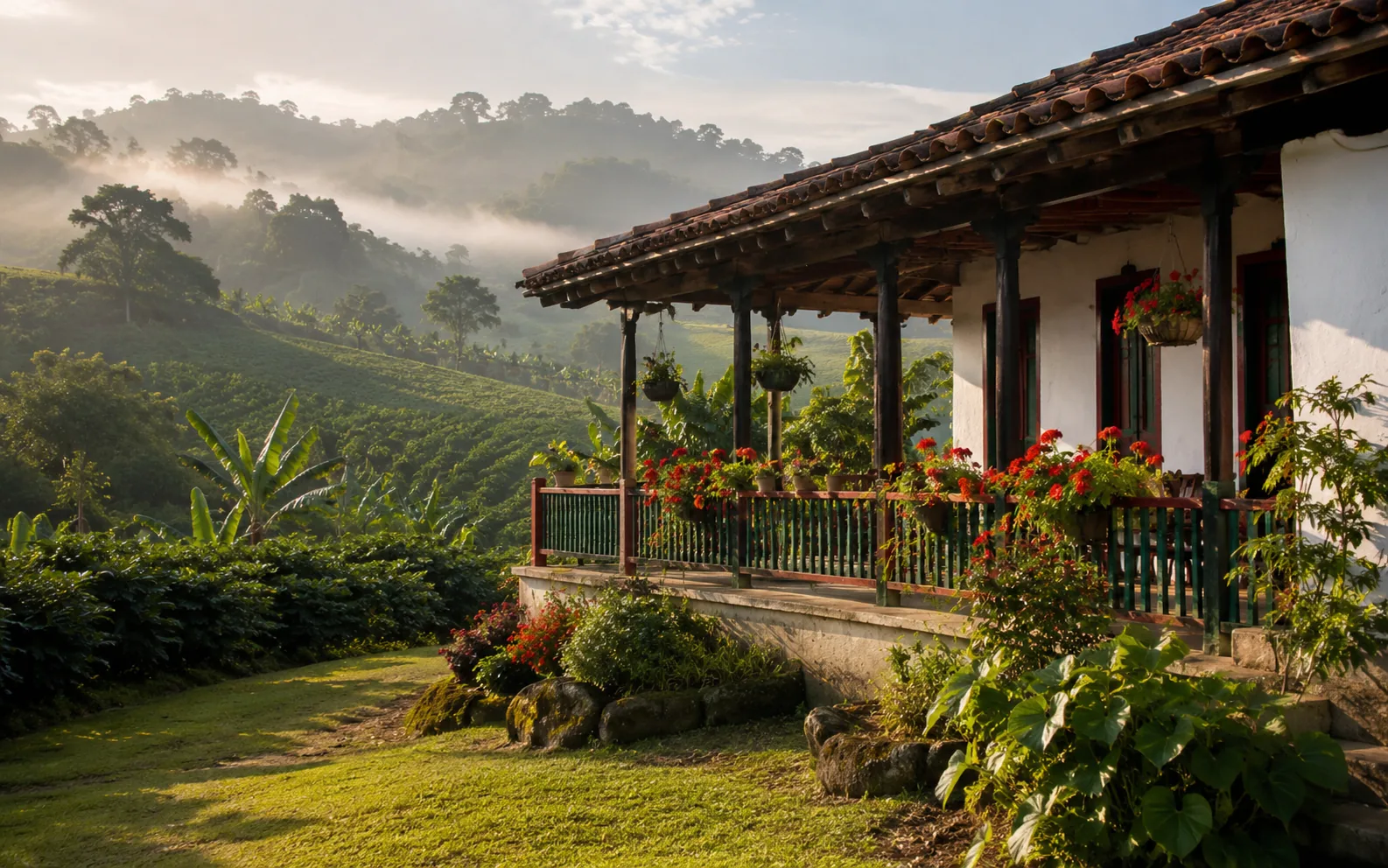
Land trades on a different logic entirely
A countryside finca is cheap per square metre and expensive in every other way. Water, access, title history and who actually farms it are the four questions that decide whether it was a good buy.
Why rural title deserves more scrutiny than urban
Colombia's countryside carries a complicated ownership history. Decades of internal conflict produced displacement, informal transfers, and land restitution claims that are still working through the courts. A rural certificado de tradición y libertad needs to be read further back than an urban one, by a lawyer who does rural work specifically.
This is not a reason to avoid rural property. It is a reason not to buy one on a handshake from someone you met at a finca party.
The four questions
Where does the water come from?
Municipal supply, a registered concession from the regional environmental authority, or an informal spring? Water rights are regulated and a finca without a legitimate concession has a problem that no amount of view compensates for.
Can you actually reach it in October?
Ask to see the access road in the rainy season, not in January. Unpaved mountain access that requires 4x4 six months of the year changes what the property is worth and who will rent it.
What does the title history show?
Read further back than you would in the city. Check for restitution claims, inheritance splits that were never formalised, and boundaries that exist on paper but not on the hillside.
Who works the land now?
Many fincas come with an established caretaker family or an existing coffee operation. That can be an asset or a liability, but it is never a detail — understand the labour arrangement and its legal status before closing.
Fincas as rental income
The obvious play is renting the property to groups on weekends. Two things to weigh before modelling it: the market is highly seasonal and clustered on holidays, and it is operationally demanding — someone local has to clean, restock, meet guests and handle problems. Most owners who model this as passive income discover it is a small hospitality business.
If that is the plan, budget for a local property manager from day one and price it into the yield rather than discovering it in month three.
Where people look
- Oriente Antioqueño — Guatapé, El Retiro, La Ceja, Rionegro. Closest to Medellín, most developed rental market, highest prices.
- Eje Cafetero — Quindío, Risaralda, Caldas. Working coffee country, strong tourism, genuine agricultural operations.
- Suroeste Antioqueño — Jardín, Jericó. Further out, markedly cheaper, thinner infrastructure.
Agricultural land in Colombia can carry use restrictions, environmental designations and minimum subdivision sizes that limit what you may build. Confirm the permitted use with the municipality before you buy land intending to develop it.
Looking at a finca?
Send us the municipality and roughly what you are after. We will connect you to a rural-specialist lawyer before you sign a promesa.
Talk it through